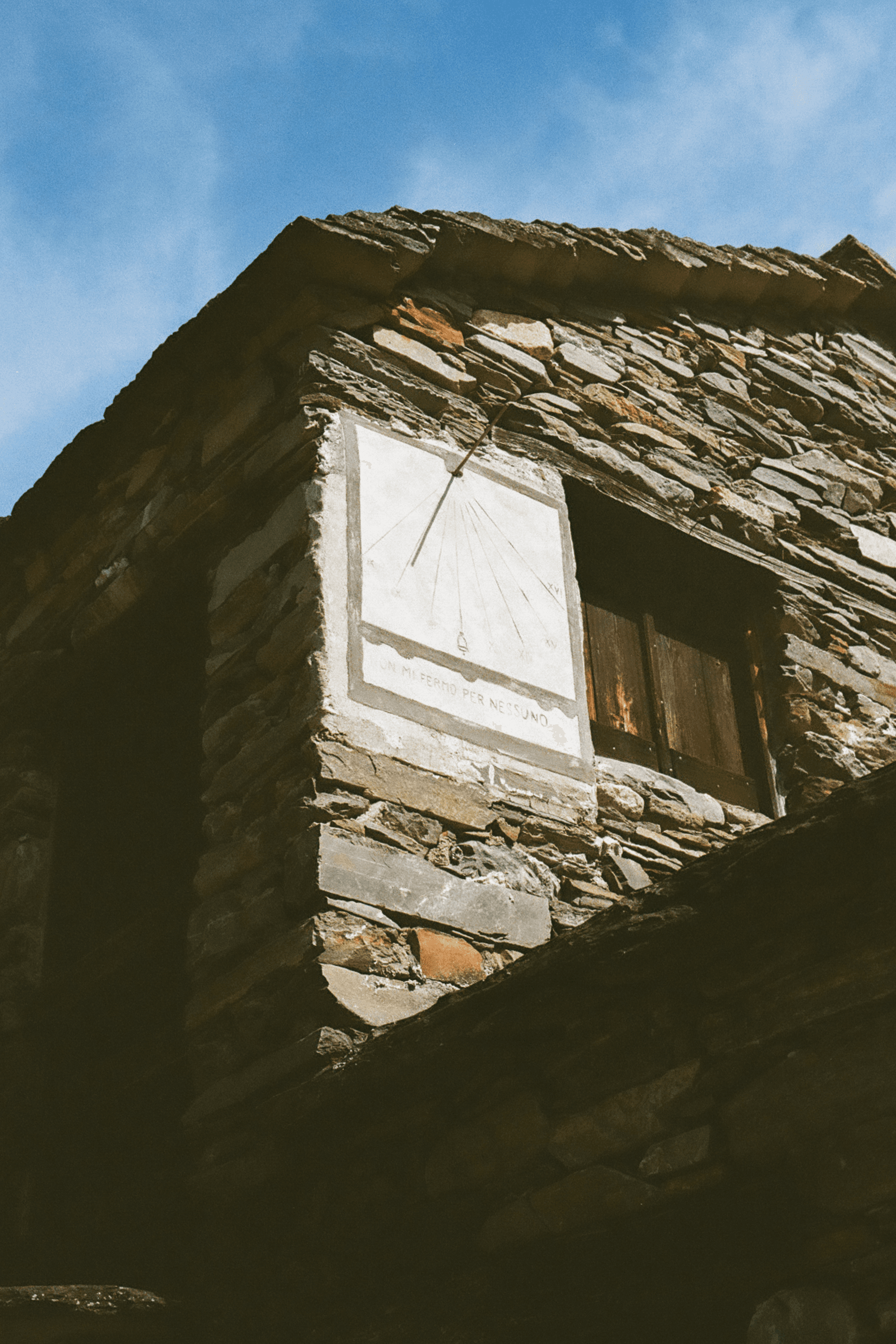
Non mi Fermo per Nessuno
English
Italiano
“I measure my sense of being in the present, not the things that pass in order for it to arise.”
— Saint Augustine
Time is the most concrete and, at the same time, the most elusive entity human beings coexist with. We have always reflected on it: from Parmenides to Augustine, from Kant to Bergson, up to the Problem of Time in modern theoretical physics, where the cosmological scale of relativity stands in tension with the quantum scale. Throughout history, time has been given different names and forms. The ancient Greeks already drew a fundamental distinction between qualitative and quantitative time, recognizing its multiple nature. Humans have tried to appropriate time—to shape it, measure it, segment it, organize its flow. Days have been divided to rationalize existence, to impose meaning, almost as an attempt to ward off the inevitability of decay.
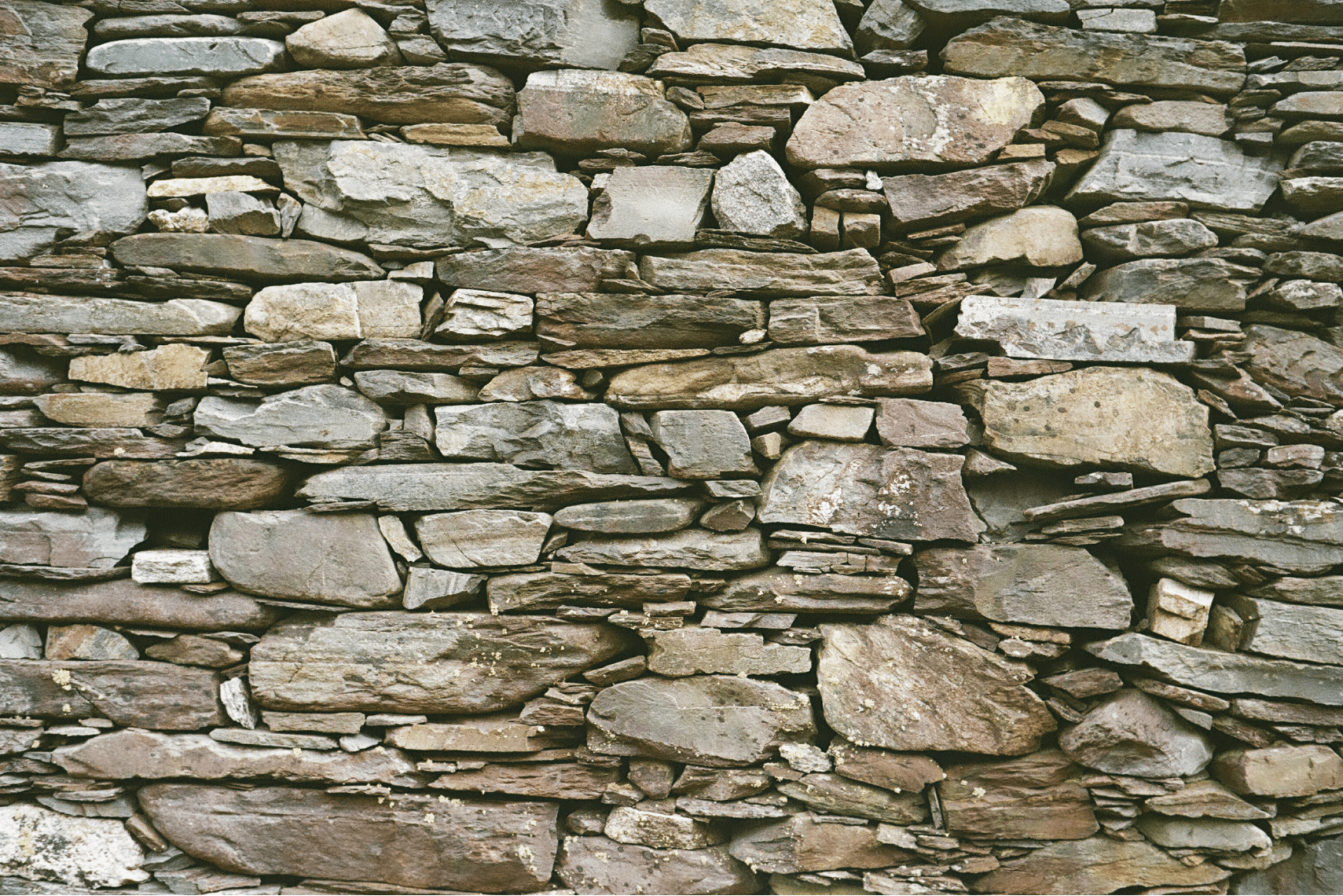
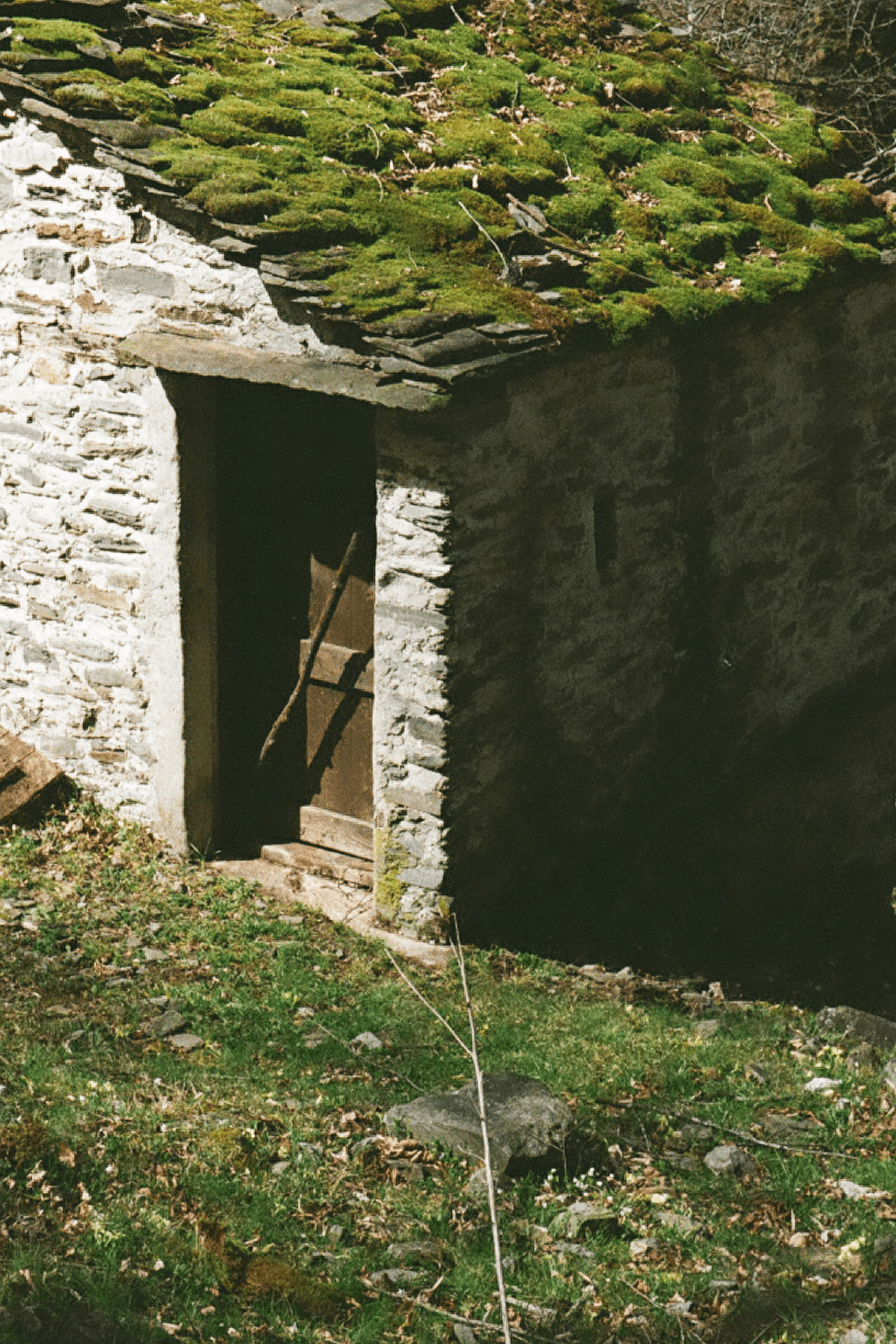
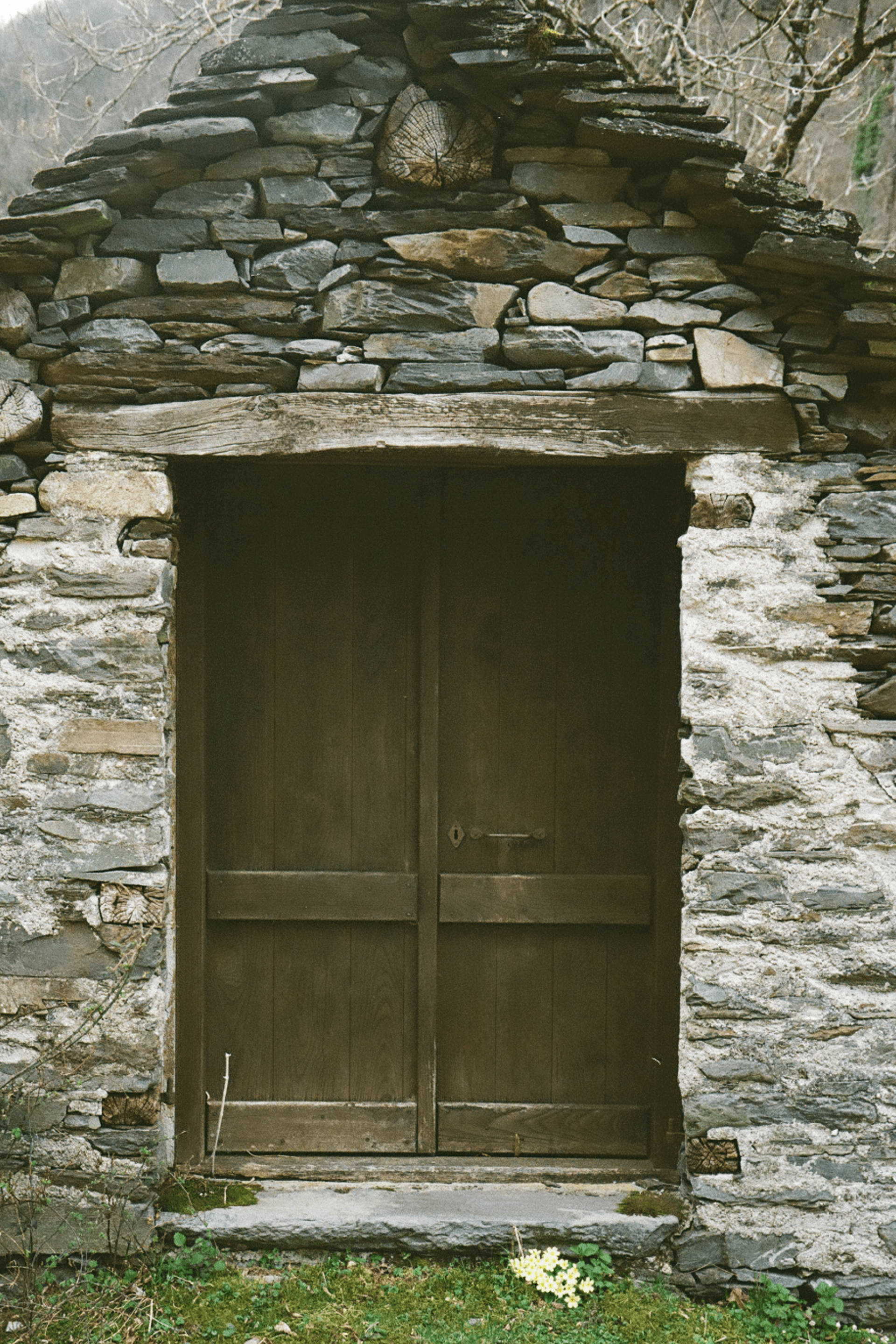
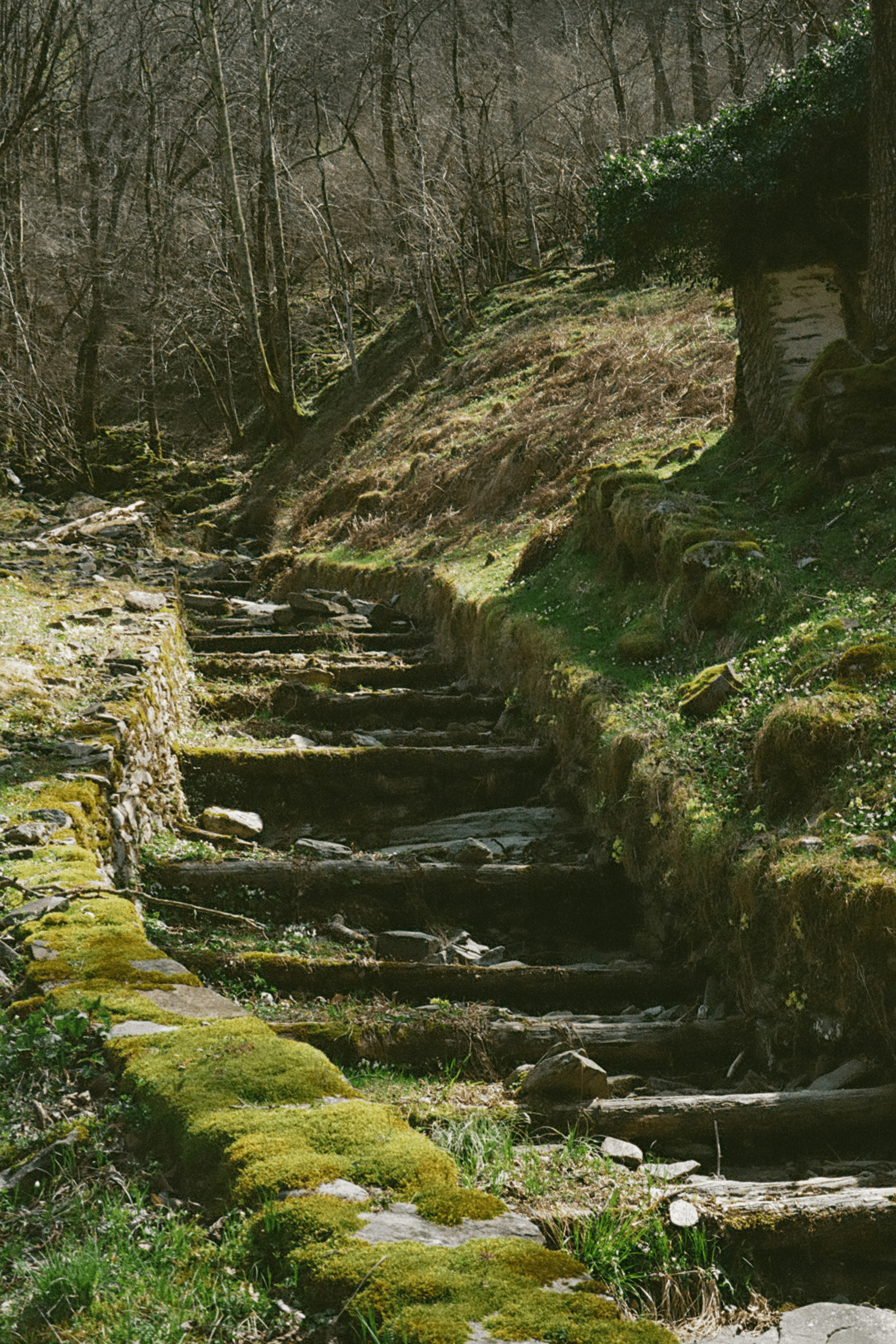
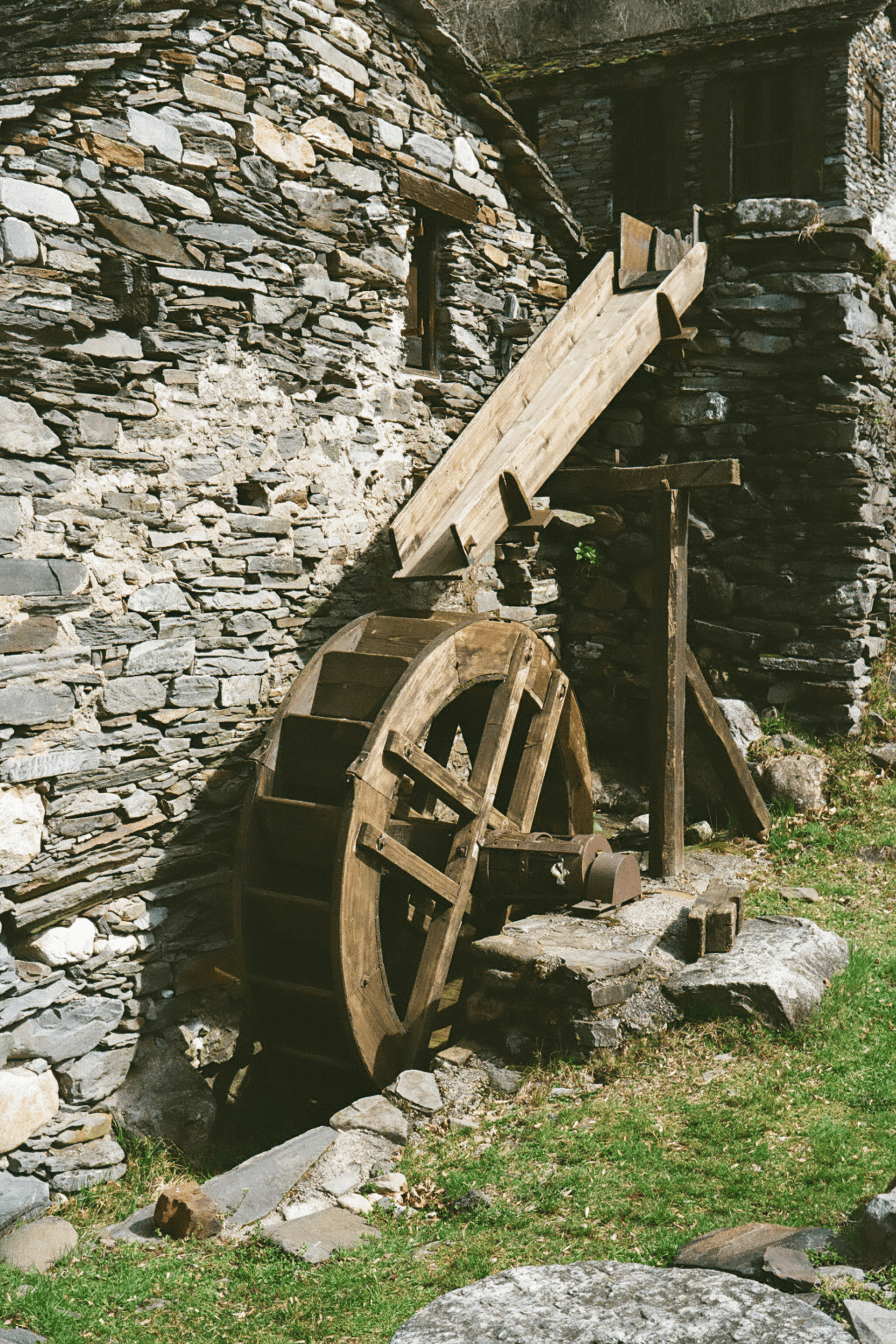
When one encounters a place where time seems to stand still, this artificial construction begins to fracture. What emerges is time in its bare condition: existing only within the instant. The hic et nunc, the here and now, where time is no longer quantity but the full presence of the self within a single moment. Photography exists precisely within this narrow threshold. The act of taking a picture becomes an attempt to resist—to capture, to hold, to immobilize an instant: a place, a face, an emotion. A moment of light that, at the very instant it is fixed, is already gone. An image, then, becomes the trace of something that has been—and can never be again.
English
Italiano
“I measure my sense of being in the present, not the things that pass in order for it to arise.”
— Saint Augustine
Time is the most concrete and, at the same time, the most elusive entity human beings coexist with. We have always reflected on it: from Parmenides to Augustine, from Kant to Bergson, up to the Problem of Time in modern theoretical physics, where the cosmological scale of relativity stands in tension with the quantum scale. Throughout history, time has been given different names and forms. The ancient Greeks already drew a fundamental distinction between qualitative and quantitative time, recognizing its multiple nature. Humans have tried to appropriate time—to shape it, measure it, segment it, organize its flow. Days have been divided to rationalize existence, to impose meaning, almost as an attempt to ward off the inevitability of decay.
When one encounters a place where time seems to stand still, this artificial construction begins to fracture. What emerges is time in its bare condition: existing only within the instant. The hic et nunc, the here and now, where time is no longer quantity but the full presence of the self within a single moment. Photography exists precisely within this narrow threshold. The act of taking a picture becomes an attempt to resist—to capture, to hold, to immobilize an instant: a place, a face, an emotion. A moment of light that, at the very instant it is fixed, is already gone. An image, then, becomes the trace of something that has been—and can never be again.
Category
Film Photography
Date
2026
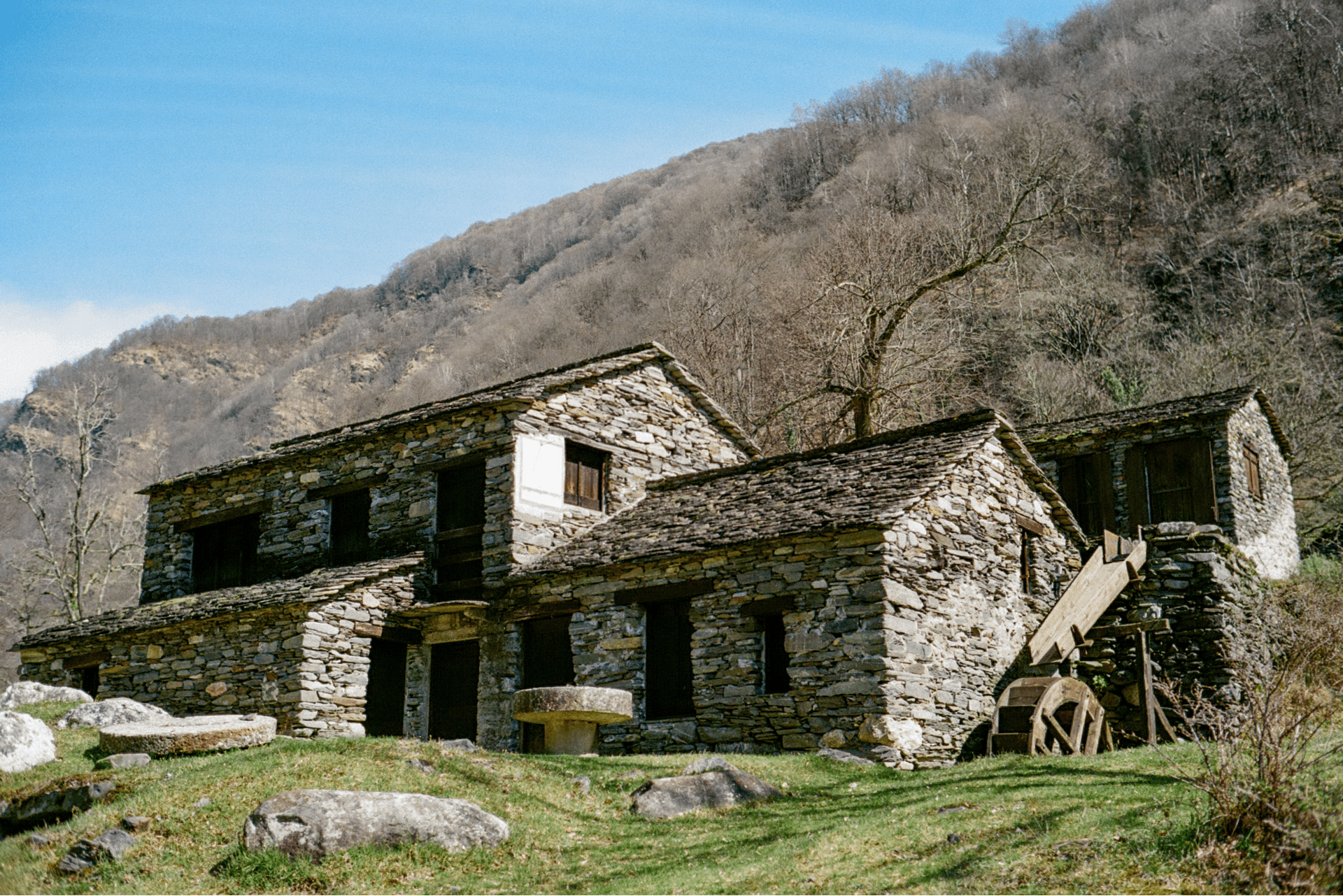
Camera: Voigtländer Bessa R4A Film Roll: Kodak UltraMax400
Rotate your phone for a better experience.